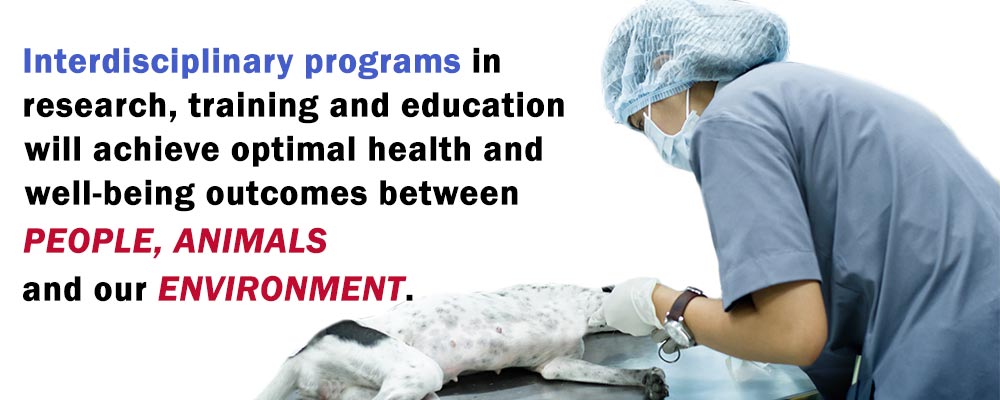
The pursuit of interdisciplinary human and animal welfare programs speaks to one of the core tenets of One Health. The intent is to harness the collective wisdom of multiple disciplines working together for a common purpose. This approach frames the full potential for wellness problem-solving through the application of proper husbandry methods and veterinary care in the context of a demonstration farmstead, attention to neglected animals, as well as the control of zoonotic disease in animal and human populations.
To the contrary, when disciplines operate in isolation, efforts can be focused on narrow internal objectives, which can run counter to those needed to accomplish broader holistic goals with enhanced positive impact for people, animals and the environment.
IGHHP programmatic interests encompass a variety of core initiatives that will provide the infrastructure to enable development of future educational workshops, such as Agrovets and Sheltervets as outlined below. Although not currently available as formal workshops, future development of these programs will aim toward workshop development in accordance with the principles of sustainable regenerative agriculture for healthy food production, public health and animal welfare through veterinary shelter medicine (which has already been piloted in Mexico and Honduras) and investigation of emerging diseases, which is underway in Costa Rica in preparation for future workshops and research studies.
Husbandry and Veterinary Care
Agrovets
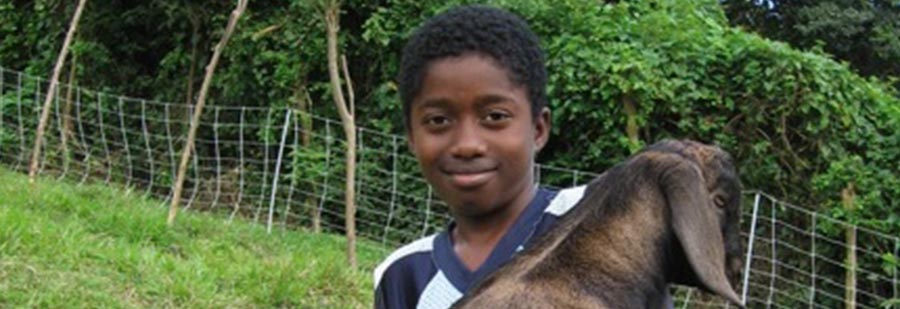
Agovets will be developed as a hands-on educational initiative designed to acquaint veterinary and agricultural students with primary husbandry and veterinary care of farm animals and crop production in the context of sustainable agricultural operations both within, and outside of, the United States.
Over the past 70 years corporate farms have sought to achieve the greatest production efficiency possible to capture the lowest possible costs through economies of scale. While this business model has offered retail price advantages, it has unfortunately externalized other costs that must be borne by the public and by the animals under production. These costs must be weighed against reputed benefits to assess the actual long-term economic viability of industrial agriculture.
Agrovets presents students with a platform for thoughtful investigation of the realities of animal agriculture through immersion in the frontline delivery of veterinary care in farm environments contextualized by local cultures and regional economic realities, while considering the challenges of feeding a burgeoning global human population that is now projected to reach over 9 billion by 2050. Workshop format blends classroom orientations and discussions in sustainable agriculture with highly participatory hands-on farm animal husbandry and veterinary care in actual agricultural operations.
Working with Neglected Domestic Animals
SHELTERVETS
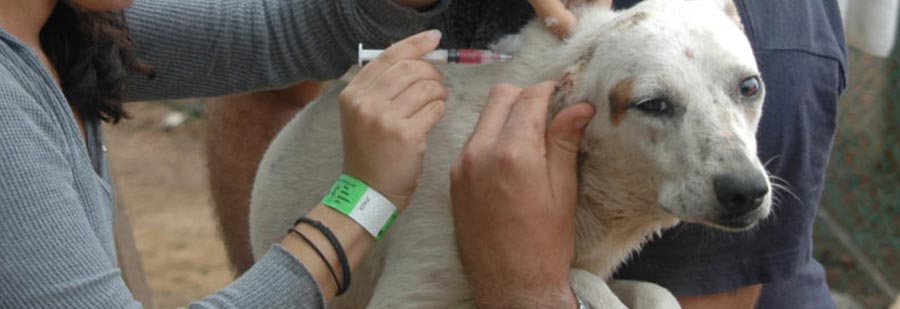
Under the supervision of qualified veterinarians, students are immersed in a working shelter and/or livestock environment in underserved regions in South Texas, Mexico, Central America and Latin America where they are actively engaged in vaccinations, diagnostics, medicine and surgery of neglected domestic animals.
Sheltervets is an intensive hands-on course for veterinary students who are in their final year of professional veterinary training and who have an interest in global health. This course is conducted as a component of the emerging field of One Health, which explores links between human, animal and ecosystem health.
Sheltervets therefore has a focus not only on the primary medical care of neglected animals, but also on zoonotic threats to human communities and feral animal population control concerns related to encroachment on surrounding wildlife and natural ecosystems. These issues in Conservation Medicine have created a growing need for professional veterinary interventions worldwide. Sheltervets is structured to provide veterinary students with a guided exploration into this expression of global health service in a variety of human cultural contexts in order to become more aware of opportunities they may have to make similar contributions throughout their careers.
Epidemiologic Investigations
EMERGING DISEASES
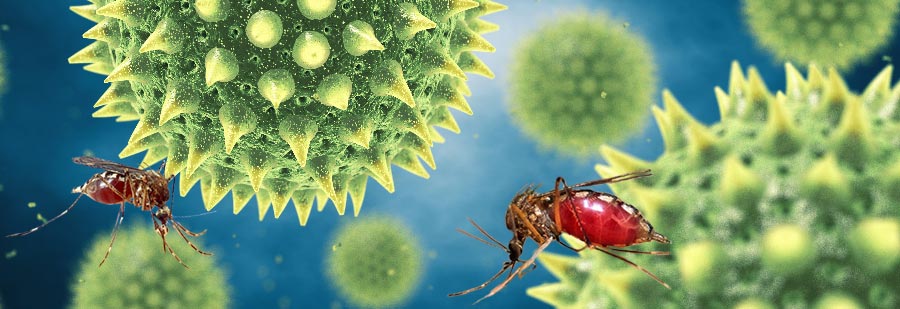
Current IGHHP studies in infectious disease are being conducted in the northern mountains of Costa Rica to explore mosquito species demographics. The goal is to gather baseline data from which studies in vector movements linked to climate change can be assessed. Wild birds and poultry are sampled using cloacal and laryngo-tracheal swabs for the presence or Avian Influenza virus. Samples are submitted to the Costa Rican government (SENASA) for PCR testing.
Chagas' Disease, a neglected zoonotic disease caused by Trypanosoma cruzi, is a protozoan parasite vectored by a triatomine bug, with sylvatic and peridomestic reservoirs. Also referred to as American Sleeping Sickness, IGHHP is investigating the presence of this parasite in the insect vector, as well as in possible reservoirs such as opossums and dogs.
In the past 2-3 years, cases of cutaneous Leishminiasis have been documented in humans in some regions of rural Costa Rica. IGHHP will be conducting epidemiologic investigations on the occurrence of this parasite in human and dog populations in Costa Rica’s northern mountains along with trapping protocols to determine the prevalence of the sandfly vector.
Dairy Goat Husbandry, Production, and Marketing
THE DAIRY GOAT PROJECT
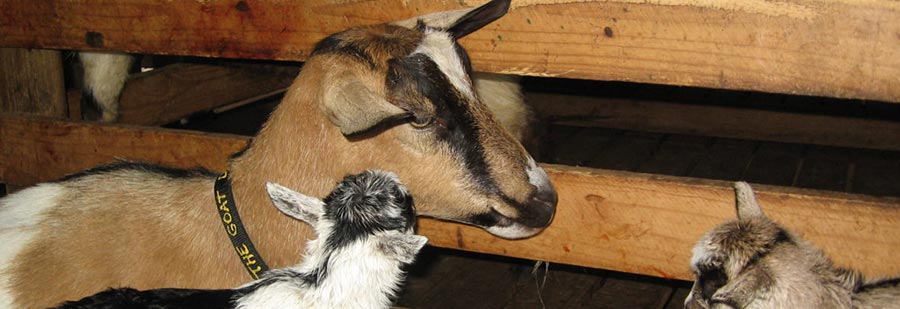
The Goat Dairy Project (TGDP) was established in 2008 on the Caribbean island of Grenada as a business model to showcase and train local farmers with an interest in transitioning to sustainable income-generating production and marketing strategies for goat dairy products in Grenada.
Since its inception, TGDP has researched, quantified and analyzed data relating to dairy goat husbandry, production and marketing that can enable local farmers to secure their livelihoods and become less vulnerable to the injection of foreign food products into local markets. As an innovative step toward farming independence, a test plot of Gliricidia is being sustainably grown to quantify its potential as a high-yield source to meet dairy goat nutritional requirements.
The overarching goal of TGDP is to engage and assist the development of local, sustainable agricultural initiatives that can operate independently on the island, thereby reducing the need to rely on import products that have been shown in many parts of the world to impoverish local farmers and undermine local financial infrastructures. By helping to empower local farmers in this way, TGDP aims to contribute to robust, independent and food-secure economies in Grenada.
Demonstration Farmstead
ANIMAL ACRES FARMSTEAD
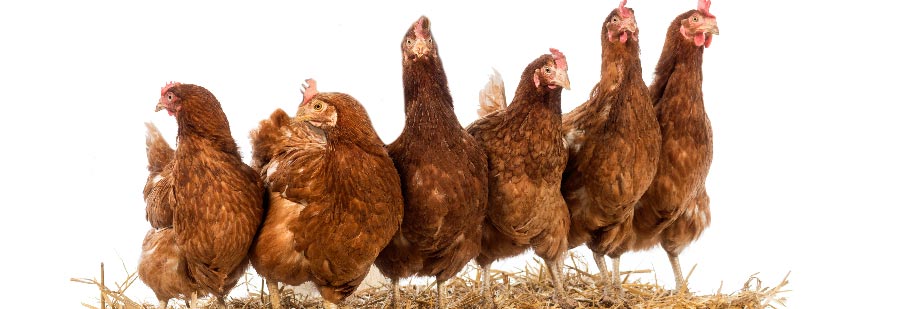
ANIMAL ACRES is being developed as a demonstration farmstead in Bryan, Texas.
The Farmstead explores the tenets of sustainable production systems in agriculture in light of current scientific evidence, as well as farm practices and governmental policies within and outside the U.S. at a time when developing countries are experiencing pressures to adopt industrial systems in response to the globalization of agriculture by multinational investors. Students are challenged in this course to think critically and independently to reconsider the goals and means of feeding the world’s expanding population and the paradigms under which these goals can be achieved and sustained through time.
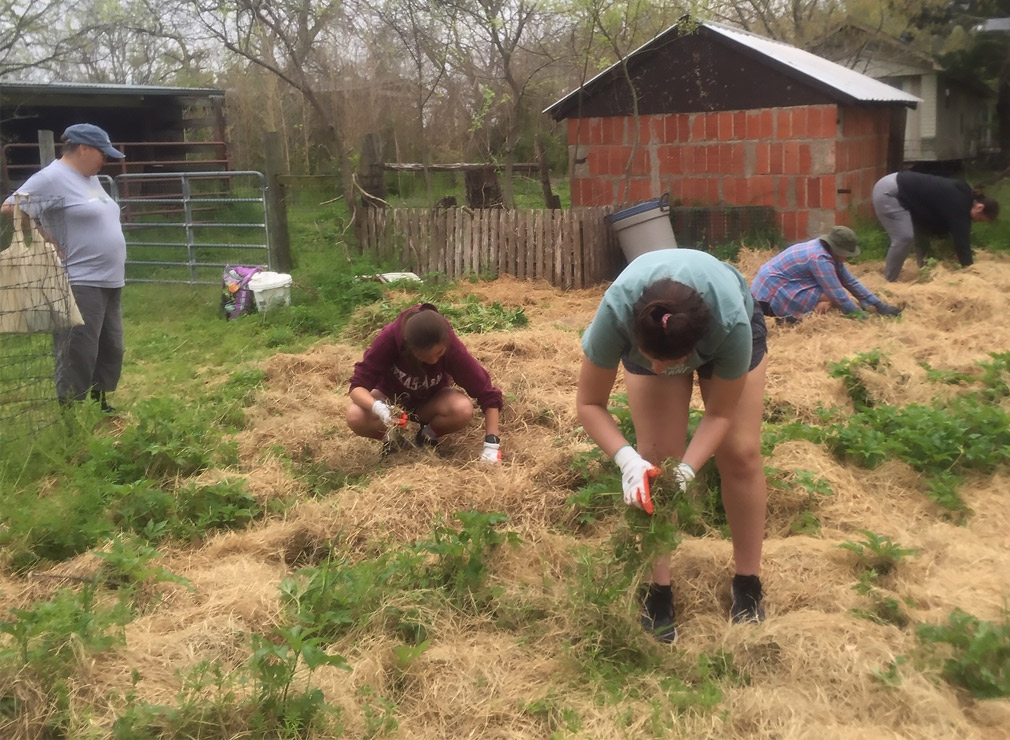
Volunteers are working on the Animal Acres Farmstead, located in Bryan, TX.
Practices to help feed the world populations are being developed and taught in this course.
The Institute for Global Health and Health Policy
Animal, Human and Environmental One Health Initiatives

IGHHP
IGHHP Overview
About IGHHP
Externships
Programs
Biodiversity Studies
Emerging Diseases
Outreach
Resources
CONTACT
Email: admin@ighhp.org
IGHHP SPONSORED EXTERNSHIPS
CONSERVET-One Health Conservation Medicine
MARVET-Marine Animal Medicine
The Institute for Global Health and Health Policy
Harnessing One Health Initiatives Through Multiple Disciplines
© IGHHP
The Institute for Global Health and Health Policy,
is a 501(c)(3) non-profit organization.
Website by Brazos Web Design