IGHHP studies pathogens carried from one animal or human population to new animals and human populations. The biodiversity studies range from bowhead whale reproductive biology in Arctic Alaska as polar waters warm and historical ice patterns shift, to vector migrations in the context of climate change in Costa Rica, moving pathogens they carry to new animal and human populations.
Bioiodiversity studies in Arctic Alaska have focused on the biology of the bowhead whale (Balaena mysticetus) to better understand population pressures that this species can withstand in the context of aboriginal hunts and climate change. Emerging threats to the fragile ocean habitat of the bowhead whale with the advent of commercial extractive industries, such as petroleum prospecting, are also a concern.
Body systems studied:
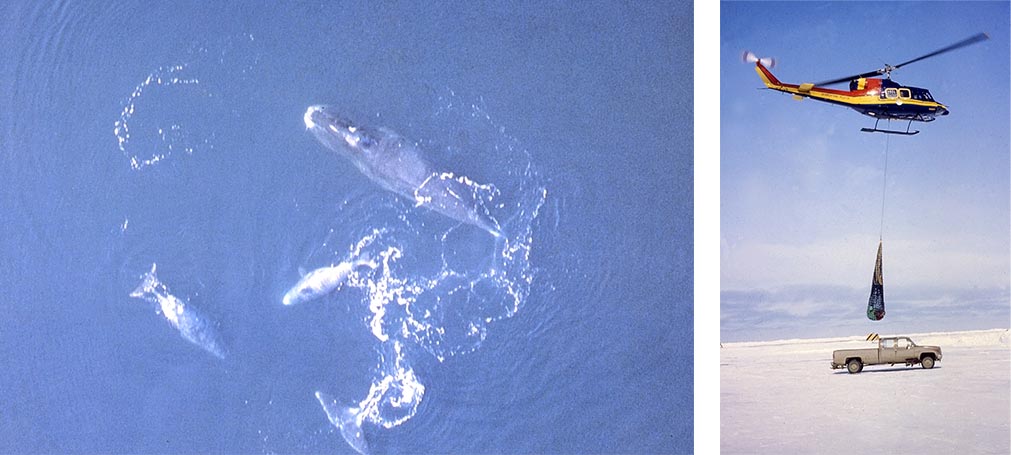 (Photo left) Reproductive behaviors in bowhead whales in the Arctic Ocean near Utqiaġvik, AK (formerly known as Barrow)
(Photo right) A bowhead whale reproductive tract being moved from the ice field to the Arctic Research Facility in Utqiaġvik, AK for detailed study
Human and animal population and disease vector ecology in Central America include insect vectors and reservoirs of viral and parasitic diseases in bats, rodents, wild birds and domestic animals.
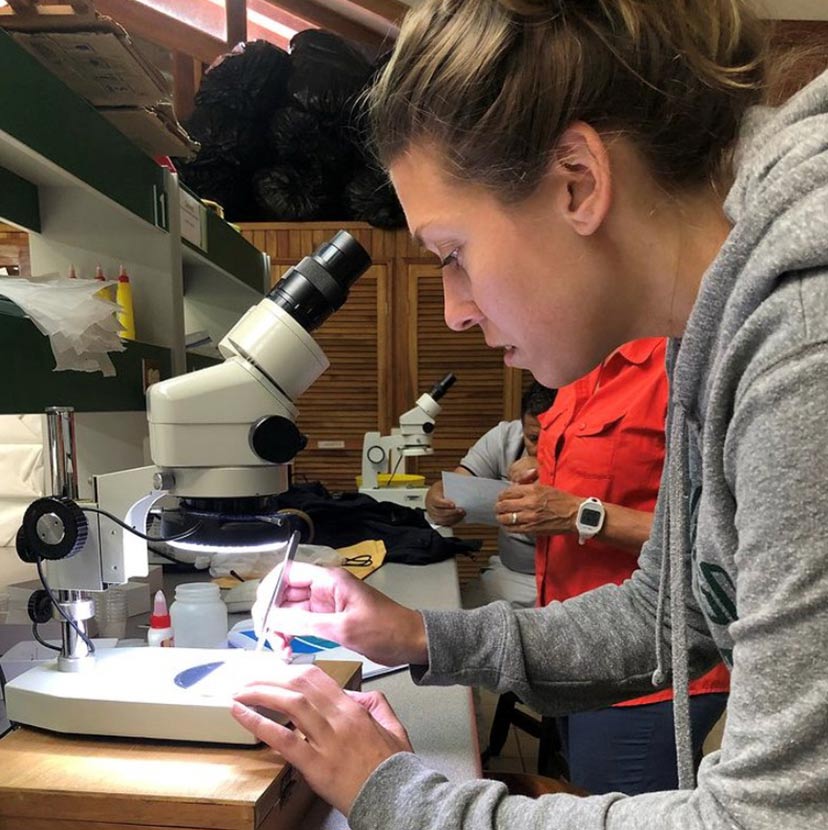
Mosquito species ID survey in Costa Rica
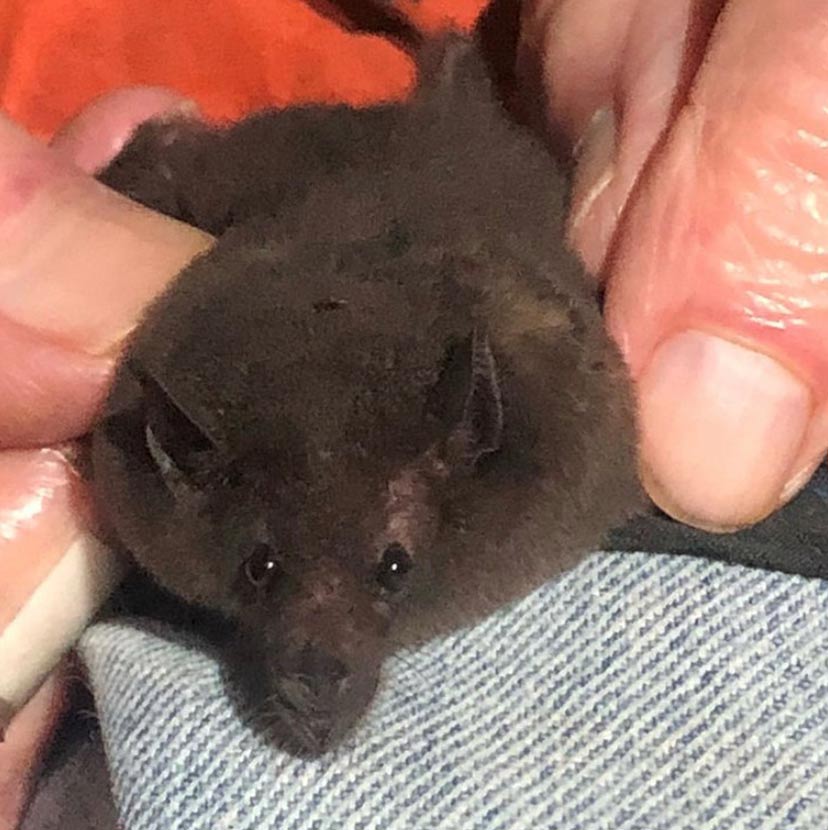
Live bat species survey ID in Costa Rica
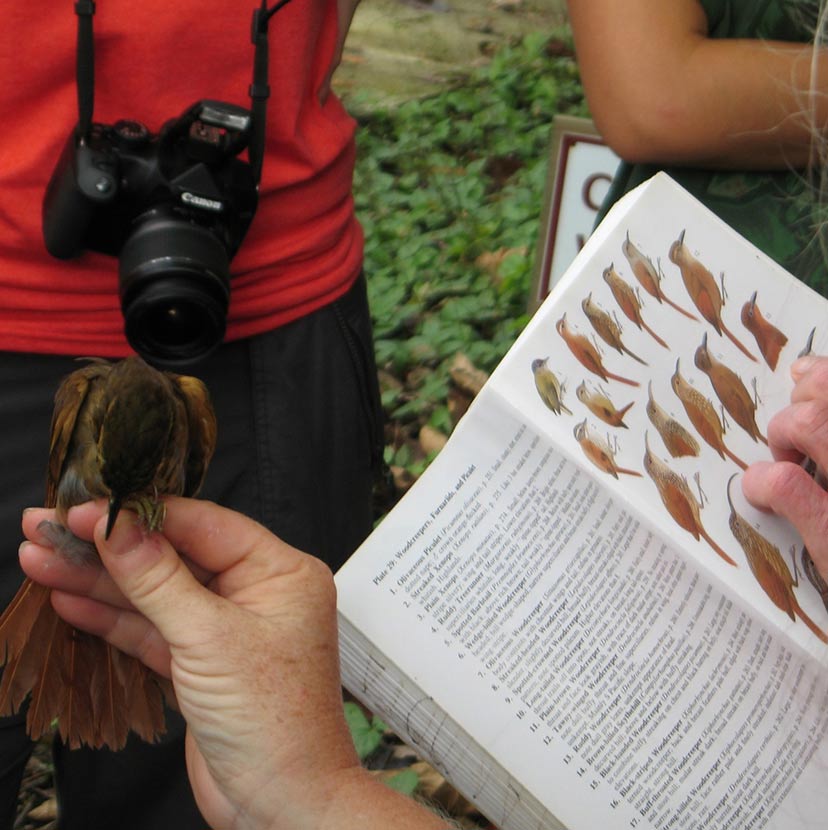
Surveying live wild birds in Costa Rica
The Institute for Global Health and Health Policy
Animal, Human and Environmental One Health Initiatives

IGHHP
IGHHP Overview
About IGHHP
Externships
Programs
Biodiversity Studies
Emerging Diseases
Outreach
Resources
CONTACT
Email: admin@ighhp.org
IGHHP SPONSORED EXTERNSHIPS
CONSERVET-One Health Conservation Medicine
MARVET-Marine Animal Medicine
The Institute for Global Health and Health Policy
Study of Pathogens Carried to New Animals and Human Populations
© IGHHP
The Institute for Global Health and Health Policy,
is a 501(c)(3) non-profit organization.
Website by Brazos Web Design